
Living by Making | Issue 13
At the Workbench
My grandfather built a sod house with his own hands. He dug a well by hand that produced over sixty gallons of cold, clear water a minute. He burned fallen oak and collected the ash, then used the ash to make lye and grandma turned the lye into soap. He carved flutes and whistles from cattail, willow, and elderberry for the grandkids, and he never once described any of this as creative work. He didn’t have that language. It was just life, the way life worked if you were going to live it properly on fourteen acres on the Dismal River in the Nebraska Sandhills.
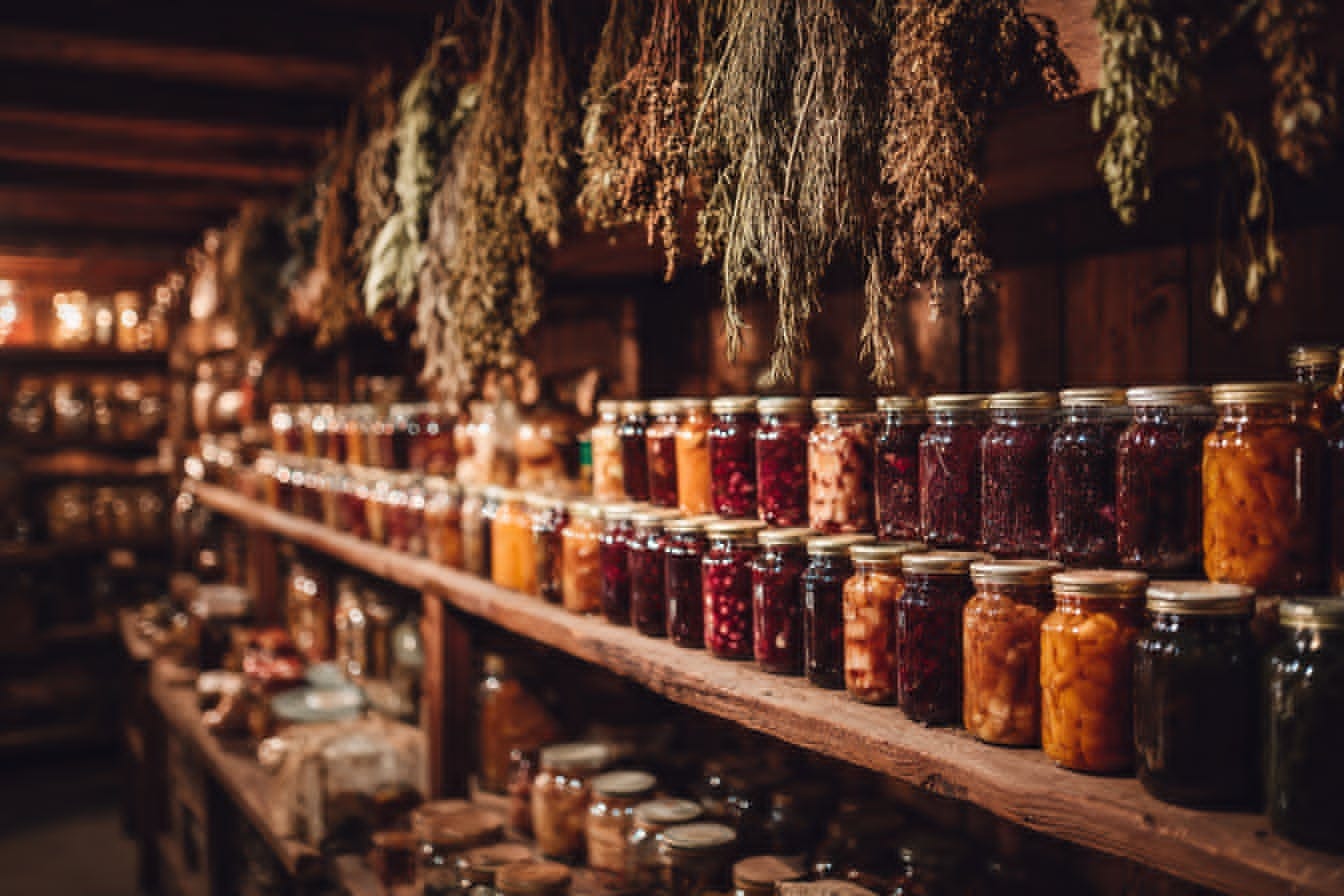
I didn’t grow up thinking of my grandfather as a maker. I thought of him as someone from another era, from a harder and more serious world than the one I was inheriting. It took me an embarrassingly long time to understand that everything I care about as an artist traces back to that sod house, to that root cellar full of hand-packed jars, to the sound of a hand pump at the kitchen sink and the smell of damp earth and beeswax and woodsmoke. He didn’t teach me anything about art. He did something more permanent. He showed me, without a single explicit lesson, that making things with your hands was a way of being in the world. I was being calibrated, and I didn’t know it.
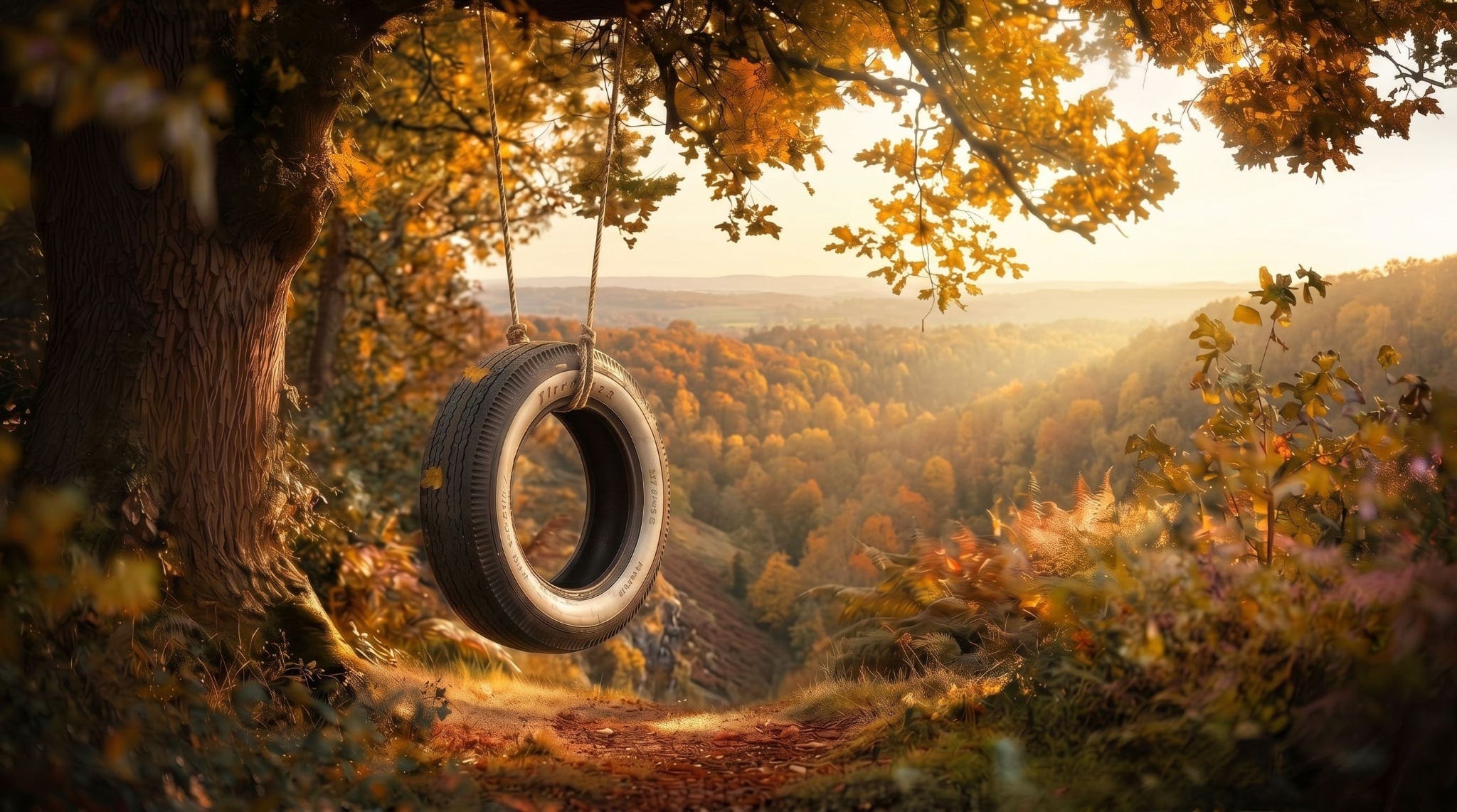
I have been thinking a lot lately about the people who made us makers before we ever knew that’s what we were. Not teachers in any formal sense. Not mentors who sat across a table and talked to us about our artistic development. The people who just lived the making life in front of us, who were already inside it, and whose presence told our nervous systems something before our brains had language for it. For many of us in this middle stretch of a creative life, those people are worth going back to find.
Under the Surface
There is a philosopher named Michael Polanyi who spent years trying to describe the kind of knowledge that lives in the body rather than the mind. He got close with one sentence: we know more than we can tell. I think about that line a lot, but not usually in relation to theory. I think about it in relation to my grandfather’s hands, the way they moved over wood, held his harmonica or worked a pump handle, with a quality of attention that didn’t announce itself and didn’t really need to. He wasn’t performing competence. He was just present with the material, and that presence was so complete it left a mark in me before I had any idea I was being marked.
That kind of formation is different from learning. Learning happens when we show up and pay attention on purpose. What I’m describing happened earlier and went deeper, in the years when I was just in the room, absorbing the frequency of someone who made things as a way of living. Not as a practice. Not as a creative outlet. Not someone chasing views or likes but as the actual texture of a life. The people who shaped most of us as makers were not thinking about art or craft when they worked. They were thinking about the task, the material, the next thing that needed doing, and that un-selfconsciousness is part of what made the transmission so clean. There was no message being sent. There was just a way of being, and we were close enough to catch it.
For those of us in the middle and later stretches of a creative life, it’s worth thinking about that original signal. A revisit or remembrance. Not to be nostalgic about it. To remember what making felt like before it became a practice with a name and an identity and a set of skills attached to it. The question I often wonder about and think is worth considering is not who taught us to make things. It’s who was already inside the making life when I arrived, and what the quality of their attention felt like, and what it meant to be near it.
Studio Notes
I have been working in a divided mode lately, which is either a sign of creative health or productive chaos depending on the day. The digital painting and synthography work is running in one direction, toward something quieter and more elemental, images that feel like they were made by someone who has been outdoors recently. The mixed media and physical work is running in another direction entirely, more textured and layered and genuinely uncertain, which is usually when things get interesting. Both bodies of work share something I can only describe as a looking-backward quality, less interested in newness than in depth, less in love with the surface than with what’s underneath it. I don’t think that is an accident given everything I’ve been thinking about this month.
On the Table
A practice, if you want it: spend twenty minutes this week writing down the people in your early life who made things. Not artists necessarily. The person who cooked everything from scratch. The one who built furniture in a garage. The one who grew food. The one who repaired things rather than replacing them. The one who carved wooden toys or braided rugs or kept a root cellar or made soap or patched clothing by hand. Write down what they made and, as best as you can remember, their presence and intention while they were making. What was the quality of their attention? What did the room feel like? You are not looking for a lesson in that memory. You are looking for a frequency, the note your creative nervous system was first tuned to before anyone asked you what kind of artist you were.
→ I’d genuinely like to know what comes up for you. Message me.
A Quiet Note
If the idea of implicit creative formation interests you, Matthew Crawford’s Shop Class as Soulcraft is worth your time. Crawford is a philosopher who owns a motorcycle repair shop, and his argument is essentially that working with your hands on recalcitrant physical reality teaches a kind of thinking that abstract knowledge cannot. It’s not a nostalgic book, or not only that. It’s an argument for why the making life is not a retreat from the serious world but a particularly rigorous engagement with it. I think of it every time I hear someone describe their creative practice as a hobby. Here are two videos on his philosophy. An Inquiry into the Value of Work: A Discussion of Matt Crawford’s Shop Class as Soulcraft and Dinner and a Book-Shop class as soulcraft, a PBS gig.
And closer to home: Unhurried Letters is a physical envelope in the mail once a month, with a handwritten travel story, a fine art print, a regional recipe card, and a postcard, all drawn from my own photos and journals from real travel. It is, in its own way, an argument for the same thing Crawford is making: that slow, handmade things carry something a faster version cannot. Details and founders pricing at unhurriedletters.com.
A Quiet Note
The things your grandfather made without calling them art are probably part of why you make things and call them art. That’s not a small inheritance.
Leave the Light On
Someone made something in front of you before you knew what making was. They didn’t have a studio or a practice or a following. They had materials and time and necessity, and they built something, and you were in the room. You were being shaped. The work you make now is, in ways you may not yet be able to fully see, a continuation of something they started. Consider that for just a second. It changes the sometimes loneliness (I typically call it contentment) of the studio into something more like a relay.
Keep making.
Tio
One-Click Check-In
If you want to read this later or find other issues, you can find them here or hit subscribe.