
Living by Making | Issue 39
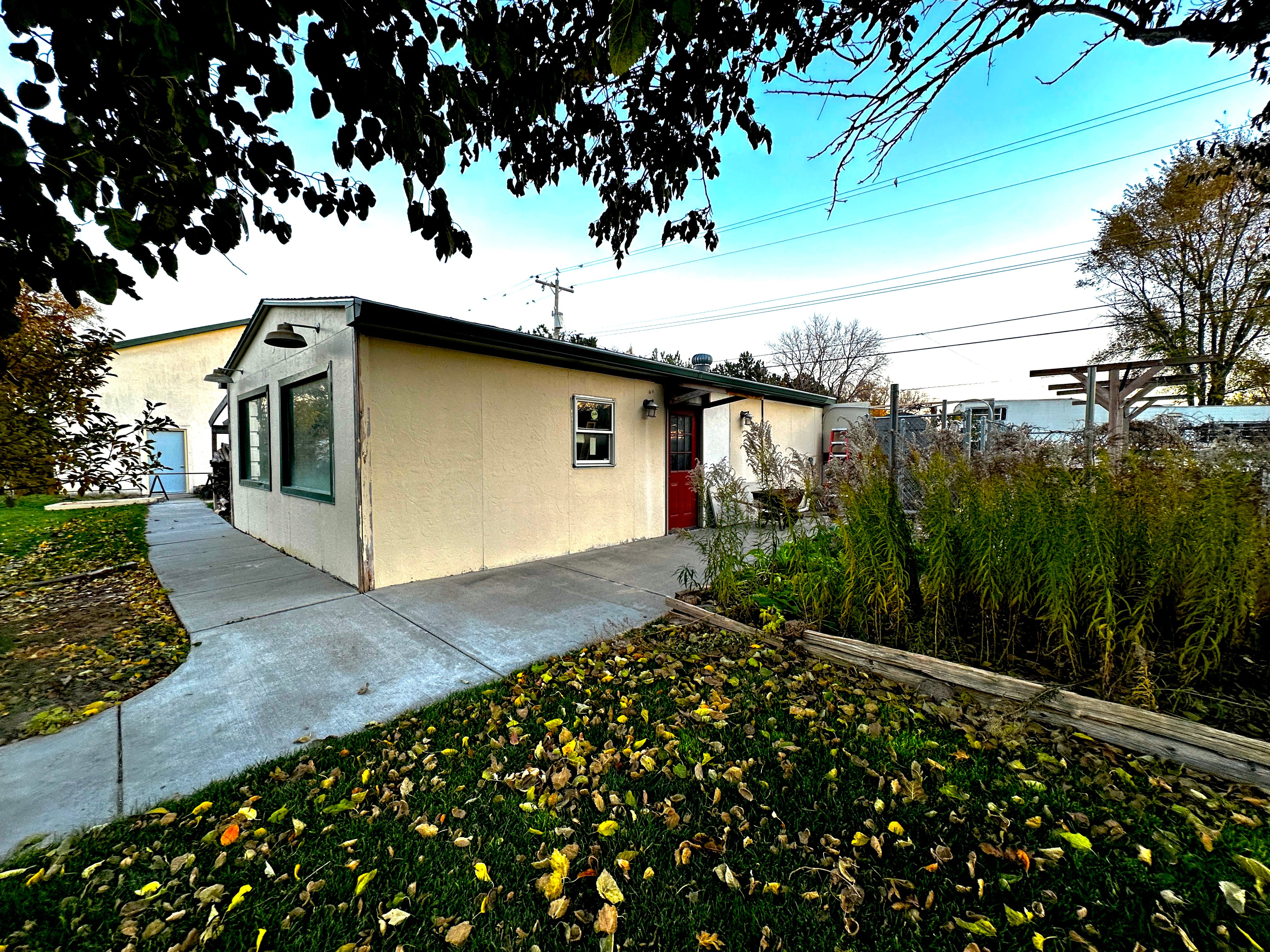
Outside work continues. Studio, woodshop, metalshop and inside the rest of the buildings at Confluence Hollow artist residency are making progress. I will be ready for artists in residence in early March. Know anyone that might be interested in a residency in North Platte, NE?
At the Workbench
On Monday I stood at the south gate, the one on the west side of the studio, with a drill in one hand and the top hinge in the other, trying to talk a crooked post into acting straight. That gate hasn’t opened all the way in years, and between the blackberry canes and the wisteria, getting through it had turned into a wrestling match. When I finally put my eye to the post and sighted up its length, I found the problem. It’s ten feet of 4x4 with three of them sunk in concrete, and the seven feet above the drive have twisted and bowed to the north a good inch and a half. I’d love to blame whoever set it. That would be me, twenty years ago, with treated lumber that was evidently never kiln dried, and it has been quietly drying into a shape of its own ever since.
The proper fix is a week to ten days of misery. Tear down that side of the fence, saw out a two-foot square of concrete around the post, set a new one, patch it, and rebuild. So I didn’t do the proper fix. I pulled the top hinge in as far as it would go and started pushing the bottom hinge out as far as I dared, and I was halfway through that balancing act when the chickens erupted. Their coop sits about forty feet west of the gate, and when I looked up, a falcon was perched on the fence rail of their run, looking in through the netting at a yard full of birds he couldn’t reach. I don’t know whether he’d already made a dive at them. When I took one step his way he was gone, and the hens took a good while longer to settle down than I did.
Back at the gate, I finished the hinges, trimmed a few boards that hung below the rail, and ran a 2x4 across the tops of the posts to tie the whole run together. Now the gate swings easy and opens most of the way, stopping about a foot short at the very end. That last foot is what I paid for not tearing the fence down. One day instead of ten, and the gate works better than it has in years.
Hi, I’m Tim. I’m a serial starter, and I have 46 projects on the table. Most of them went into the ground the same way that post did, green, set in concrete on one good morning and the little jolt of dopamine that comes with thinking, wouldn’t it be cool if. Plenty of those projects have been “drying crooked” ever since, and when I think about fixing one, I picture the whole fence on the ground. So I don’t touch it at all.
Under the Surface
I didn’t go looking for this subject. It found me in the inbox. One morning this week I was deleting my usual absurd pile of spam when an offer came through for a course about open tabs, the browser kind and the life kind, for people who can’t stop starting things. I laughed out loud, then went looking for one particular tab I always keep open and couldn’t find it, because I’d closed the whole group by accident. I have more than ninety tabs open as I write this, seven groups in Firefox and another in Safari, all neatly labeled. That same morning a meme in my Facebook feed described people who bookmark and screenshot everything so they won’t lose an idea, then never look at any of it again, because the archive has become a problem of its own. That’s when I decided to build a course around all of this, and to work through it for myself one more time while I do.
Psychologists call part of this the Zeigarnik effect. Nearly a hundred years ago, Bluma Zeigarnik noticed that people remember unfinished tasks better than finished ones, as if the mind leaves a light on over anything left undone. In 2011, E. J. Masicampo and Roy Baumeister showed that unfinished goals keep tugging at us, and even drag down our work on unrelated things. Then they found the switch. When people wrote down a specific plan for the goal, without doing any of it, the tugging stopped. The mind didn’t need the job finished. It needed to know where the job was going next.
I read that with my morning espresso going cold and my hand on the mouse, hovering over a tab group. A bookmark tells you an idea exists, but it doesn’t tell your mind what happens to it next, so every saved idea keeps its little light burning. On the rare night I can’t shut my brain off, I get up and write every idea that’s floating around into my morning pages journal. Once they’re on paper I know I won’t lose them, and my head finally goes quiet. Weird, huh? Masicampo and Baumeister wouldn’t think so.
Studio Notes
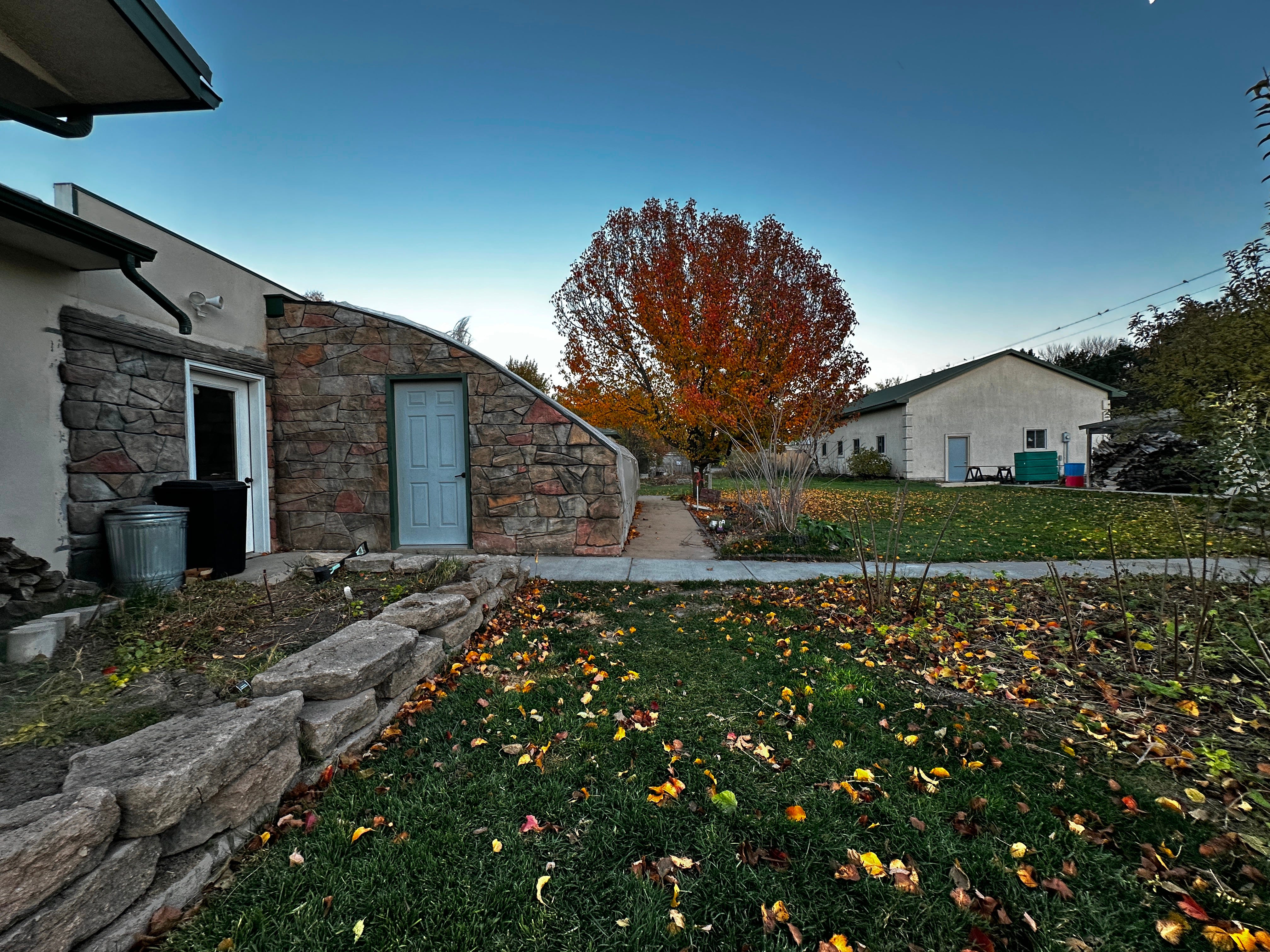
The rest of the week was the same lesson with sawdust on it. Earlier this week I put a new walk-in door on the woodshop, and the stucco pop-out trim around it, 2x4 EPS foam under a stucco skin, wouldn’t stay put. One afternoon the wind peeled it off the building and dropped it in the yard. I walked straight to the shelf where the four-inch screws live, and right beside them were the 2-inch round plastic washers the screws go through when you fasten foam to a building. They’re Wind-lock plates if you want the proper name, though they’ve always been caps to me, and I’ve been storing them for a decade. Thirty minutes later the trim was back up. In the spring, when I carve concrete trim to repair the woodpecker damage, I’ll make those pop-outs look like rock.
A year ago that thirty-minute job would have eaten a week. I’d have hunted for the caps for a few hours, driven to the lumber yard to find out they don’t stock them, ordered a box, and then set the box someplace safe when it came, which is how I ended up with three of the same thing hidden around the shop. A lost box of caps never costs the price of the caps. It costs the project.
The second gate of the week was in the chain-link fence east of the garden shed. Eighteen months ago the wind laid one of its posts over, and that gate hasn’t closed right since. I knew right where the box of fence parts was, and the socket, and the ties. The only problem was that it’s a two-person job and there was one of me, and I couldn’t stretch the chain link far enough to get the top rail in.
So I pulled my old beater Toyota, Rick, around, wedged a board between his bumper and the leaning post, put him in reverse, and eased back an inch at a time until the post stood plumb and the rail slid home. That’s when Fred showed up, or that’s what I call him, anyway. He belongs to the neighbor across the alley to the southwest. He’s a ninety-pound, long-haired wire and setter cross of some kind, and when he gets bored he hops his family’s four-foot fence and comes over to bark at me while I work. I’ve never once seen his owner, and Fred won’t let me anywhere near him. He stood at a safe distance and told me exactly what he thought of a man using a car to push a fence post, loud and long. I tightened the nuts, tied the chain link to the rail, and the gate latched for the first time in a year and a half. Fred was not impressed. The shop is far from organized, but every part I’d put away in its spot this fall was a small plan, and that afternoon those plans paid off twice.
On the Table
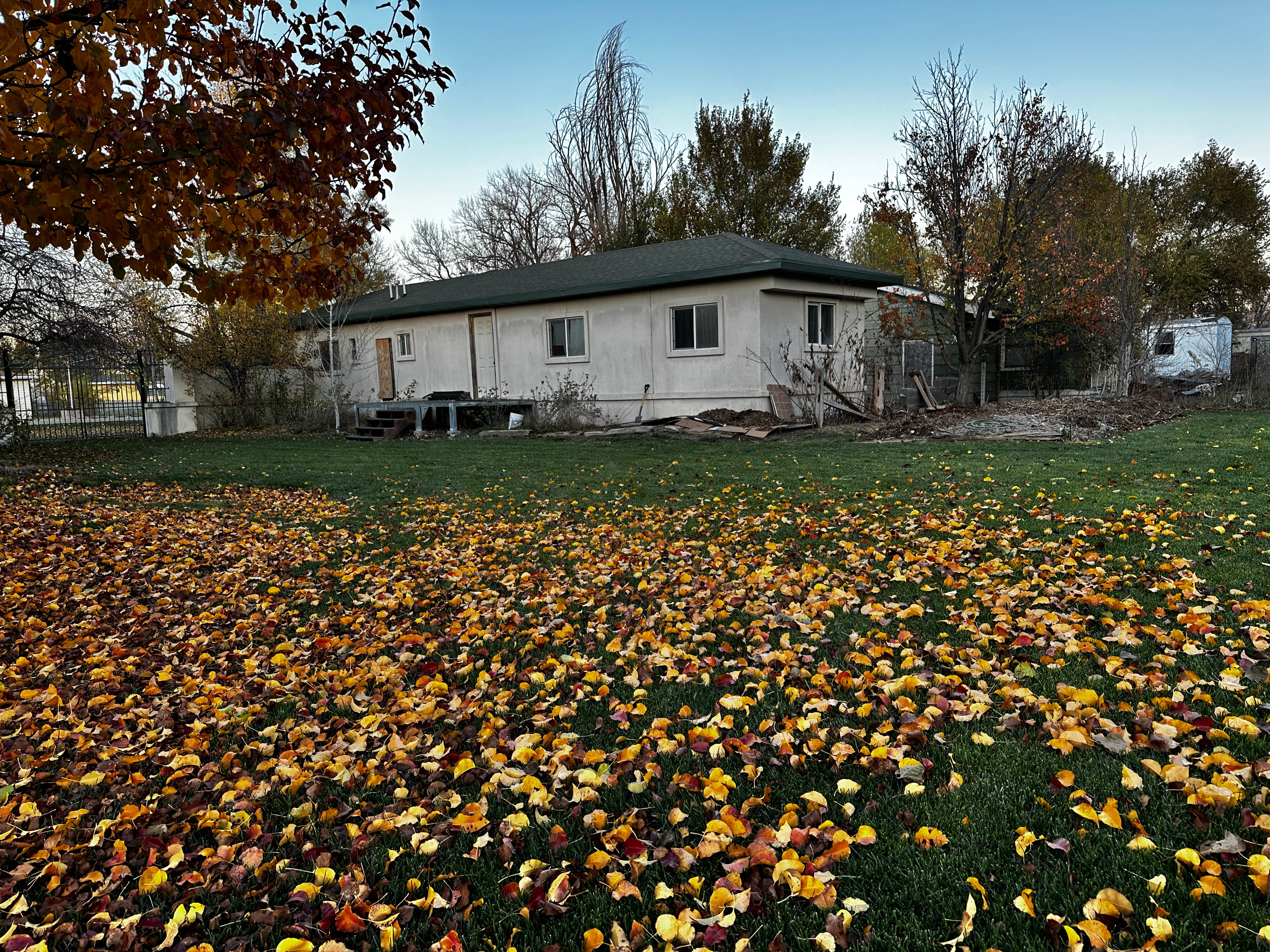
Back at the south gate, I cleaned up as much of the blackberry as I could without wrecking next year’s harvest, and I cut, dug and pulled every wisteria runner I could find, knowing it’ll be a year or two of that before it’s gone. There are still a few slats to put up and wire to run for the berries, so call it 75 percent done. A few years ago, 75 percent would have kept me from starting. This week it felt like a win.
That change didn’t come from more willpower. It came from knowing what the next step was and where the parts were, which is the same thing the study found, and the same thing my journal does for me on those nights I can’t sleep. So here’s what I’d try this week, starting with the journal trick and adding one step. Tonight or tomorrow morning, write down every project that’s been nagging at you. Then pick three, and next to each one write the very next thing your hands would do and the day you’ll do it, like find the screws Saturday or call about the post Monday. You don’t have to do any of them today. You just have to know where they’re going. And if one doesn’t deserve a next step anymore, cross it off, because closing a tab on purpose counts too.
In Good Company
Watch: Why Some of Us Don’t Have One True Calling, Emilie Wapnick’s 2015 TED talk. Wapnick calls people with a wide range of interests and pursuits over one lifetime multipotentialites, and she makes the case that it isn’t a flaw to be fixed. It runs about twelve minutes, and I wish someone had shown it to me at twenty. I’ve mentioned it here before, but it’s worth bringing up again.
Read: Refuse to Choose! by Barbara Sher (Rodale, 2006). Sher was a career counselor who named people like us Scanners, minds that scan the horizon and want to explore everything they see, and the book is a practical program for doing more of what you love without drowning in it, including when and how to finish what you start. It’s an old book, and it reads like a letter from someone who has been through every one of my tab groups.
Listen: Finish What You Start: My ADHD Loop-Closing System, episode 101 of the Learn to Thrive with ADHD Podcast. ADHD coach Mande John explains why unfinished tasks keep nagging at us, starting from the same Zeigarnik effect, and then walks through what she calls a brain sweep. You gather every loose note and notebook, dump everything in your head onto paper, give each item a home and a day, and check it off once it has one. It’s about twelve minutes long, it’s the plan-making study turned into an afternoon chore, and you don’t need ADHD to use it.
A Quiet Note
Some stories from out here are too small for a newsletter and too good to lose, so they go into the mail instead. Unhurried Letters is a handwritten travel story, a fine art print, a regional recipe card and a postcard, sent once a month and made from real trips and real photographs. It’s one project I have never once left open in a tab. If a slower kind of mail sounds good to you, you can find it at unhurriedletters.com.
Leave the Light On
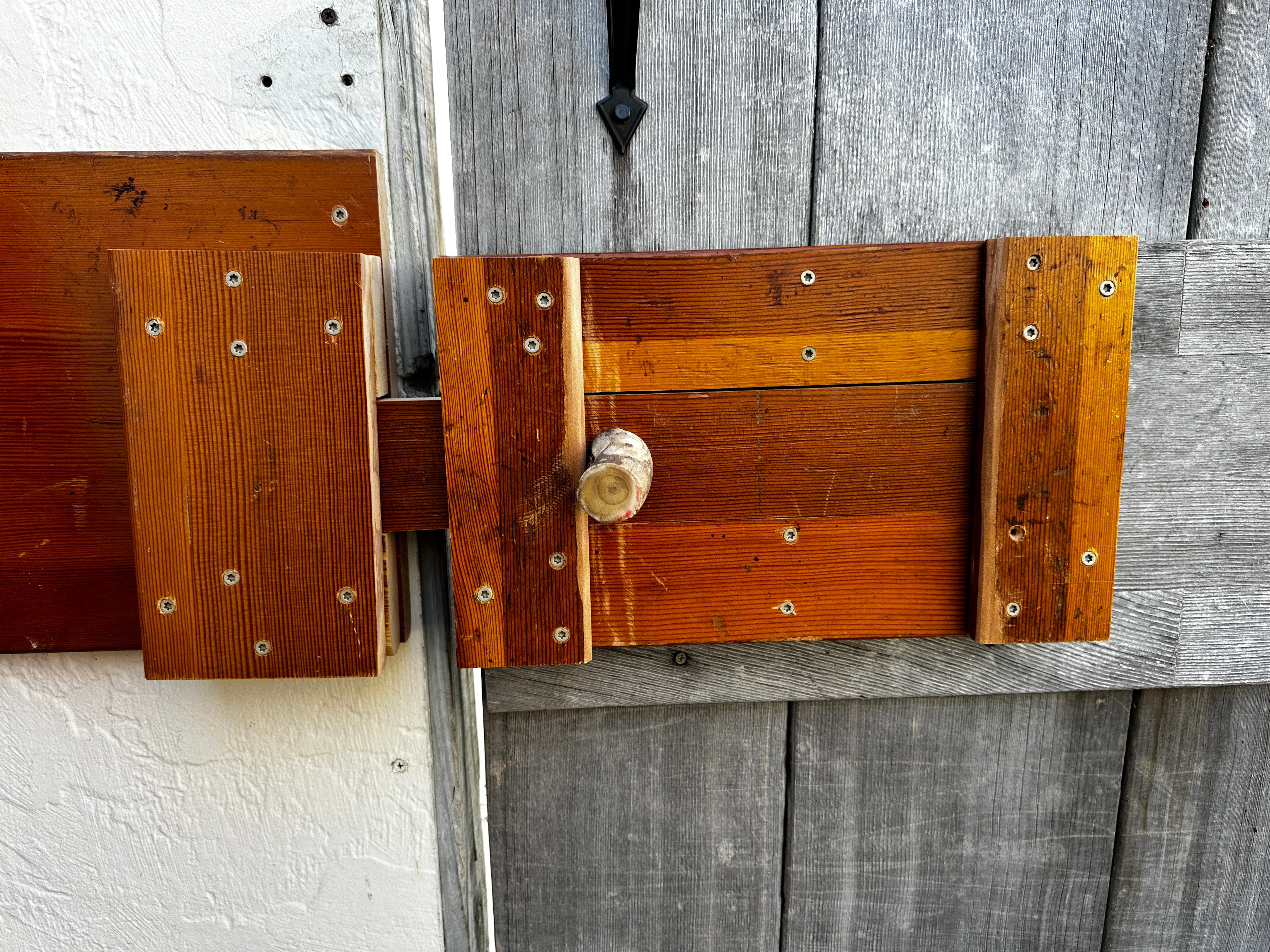
The last thing I did Monday was build a latch for the south gate out of old gym bleacher offcuts, a plain slide bolt, old school and simple, with a knob cut from a branch I’d trimmed in the yard. It took an hour and cost nothing, and when I slid it closed that evening the gate sat right where it belonged, a foot shy of opening all the way and perfectly fine with that. That’s what retirement keeps teaching me. One solid day of work is worth two or three weeks of squeezing in an hour here and there after teaching and coaching, and a gate I can walk through today beats a perfect gate someday.
Which brings me to the thing I’ve been itching to tell you. The course I mentioned is called Serial Starters, and it’s for people with more ideas than lifetime and too many projects drying crooked in the yard. It begins with a founders cohort of ten to twelve people who will work through it with me, live, using our real tabs and our real projects, and the founders get in at no cost in exchange for showing up and telling me honestly what works and what doesn’t. I’ll send the details in a separate email to everyone who raises a hand. To raise yours, reply to this email with one line, the same one I started with. Hi, I’m (your name). I’m a serial starter, and I have (your number) projects on the table. Nobody’s grading the number. Mine is 46, and I’m only a little embarrassed about it.
Keep making, keep growing, be you.
Tio
(Below is the song, “A Perfect Gate Someday”. I wrote the lyrics, Suno produced the song. Real music? Maybe not but still fun to put my poems to music.)
“A bookmark tells you an idea exists. It doesn’t tell your mind what happens to it next.
References
Masicampo, E. J., and Baumeister, R. F. (2011). Consider it done! Plan making can eliminate the cognitive effects of unfulfilled goals. Journal of Personality and Social Psychology, 101(4), 667–683. https://pubmed.ncbi.nlm.nih.gov/21688924/
Zeigarnik, B. (1927). Das Behalten erledigter und unerledigter Handlungen. Psychologische Forschung, 9, 1–85.
Why Some of Us Don’t Have One True Calling, Emilie Wapnick, TED (2015):
Learn to Thrive with ADHD Podcast, Ep 101, Finish What You Start: My ADHD Loop-Closing System, Mande John (August 21, 2025): https://www.buzzsprout.com/1954263/episodes/17686189-ep-101-finish-what-you-start-my-adhd-loop-closing-system
Wind-lock plates and washers for EIFS: https://wind-lock.com/building-materials-supplies/eifs-stucco-mechanical-fasteners/plates-washers/
Sher, B. (2006). Refuse to Choose! Rodale: https://www.goodreads.com/book/show/287818
Unhurried Letters: https://unhurriedletters.com
One-Click Check-In
If you want to read this later or find other issues, you can find them here or hit subscribe.