
Living by Making | Issue 38
I have been able to work outside since Sunday so the studio and woodshop work have suffered but the yard and garden is getting tightened up. Today I finished cleaning one particular food bed and I got chewed out by the resident squirrel. Below is the story and song.
At the Workbench
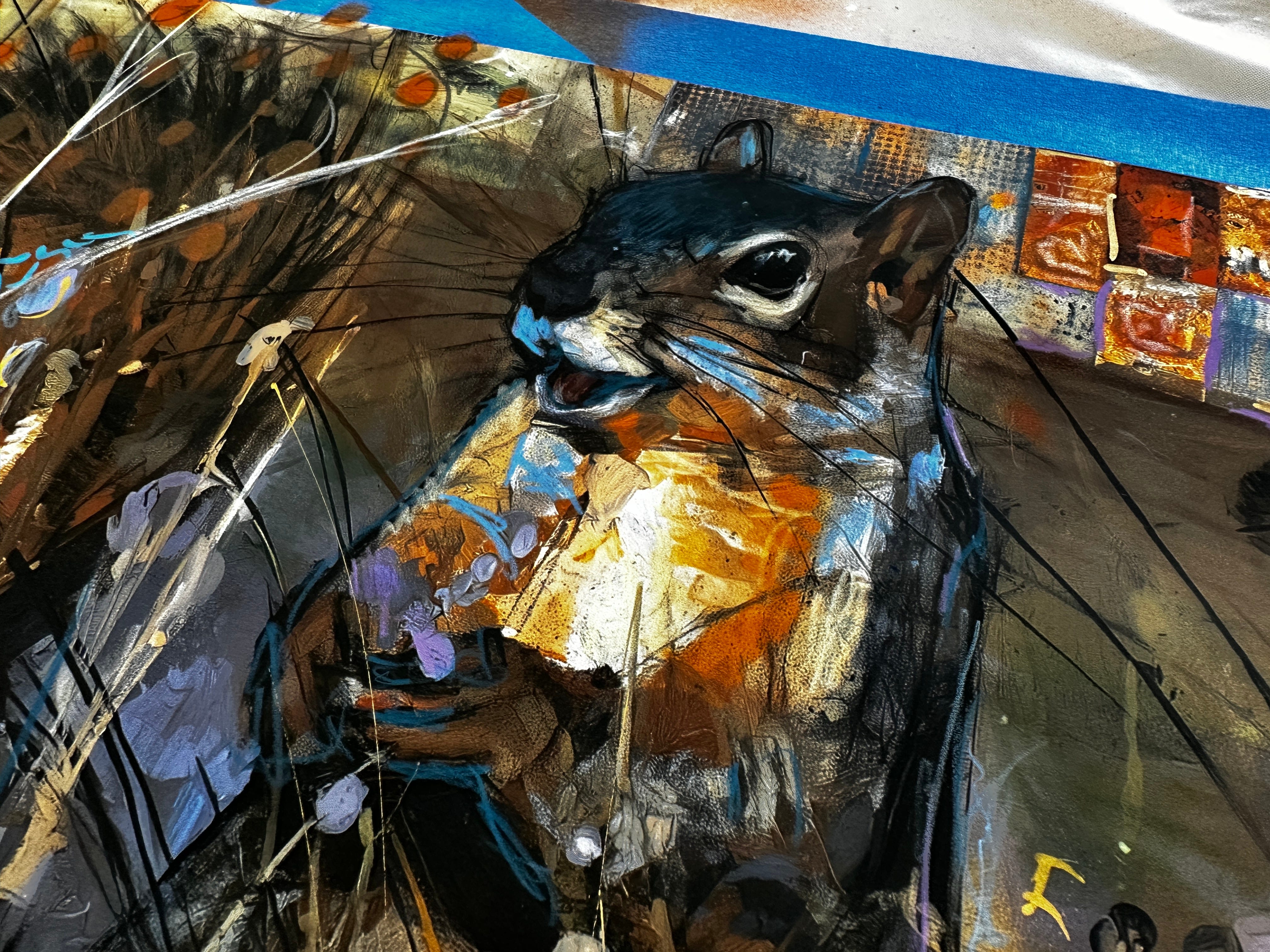
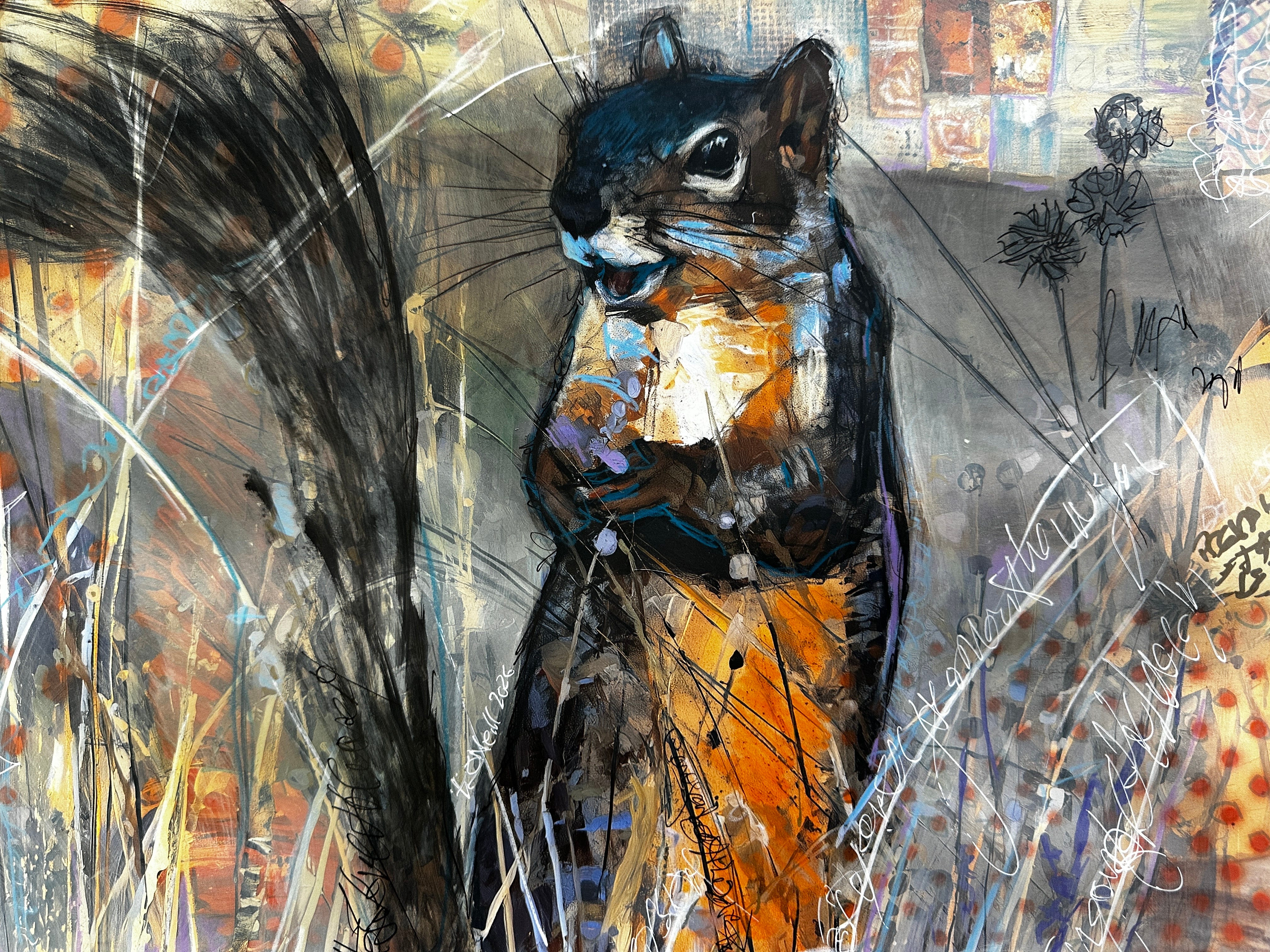
Skippy started in on me from the elm. It is a mostly dead and truly obnoxious elm on the fence line by the neighbor’s junk pile, and Skippy is the squirrel who bounces around this property all day like he pays the taxes on it. This afternoon he had something to say, and he wanted me to know it was aimed at me. When I didn’t look up, he moved closer. When I still didn’t look up, he moved closer again, a few minutes at a time, tail snapping, chattering like a smoke alarm with a grudge, until he was cursing me from the branches of the very apple tree I was kneeling under. He kept it up for a couple of hours. I have coached teenagers who could not keep a complaint going that long.
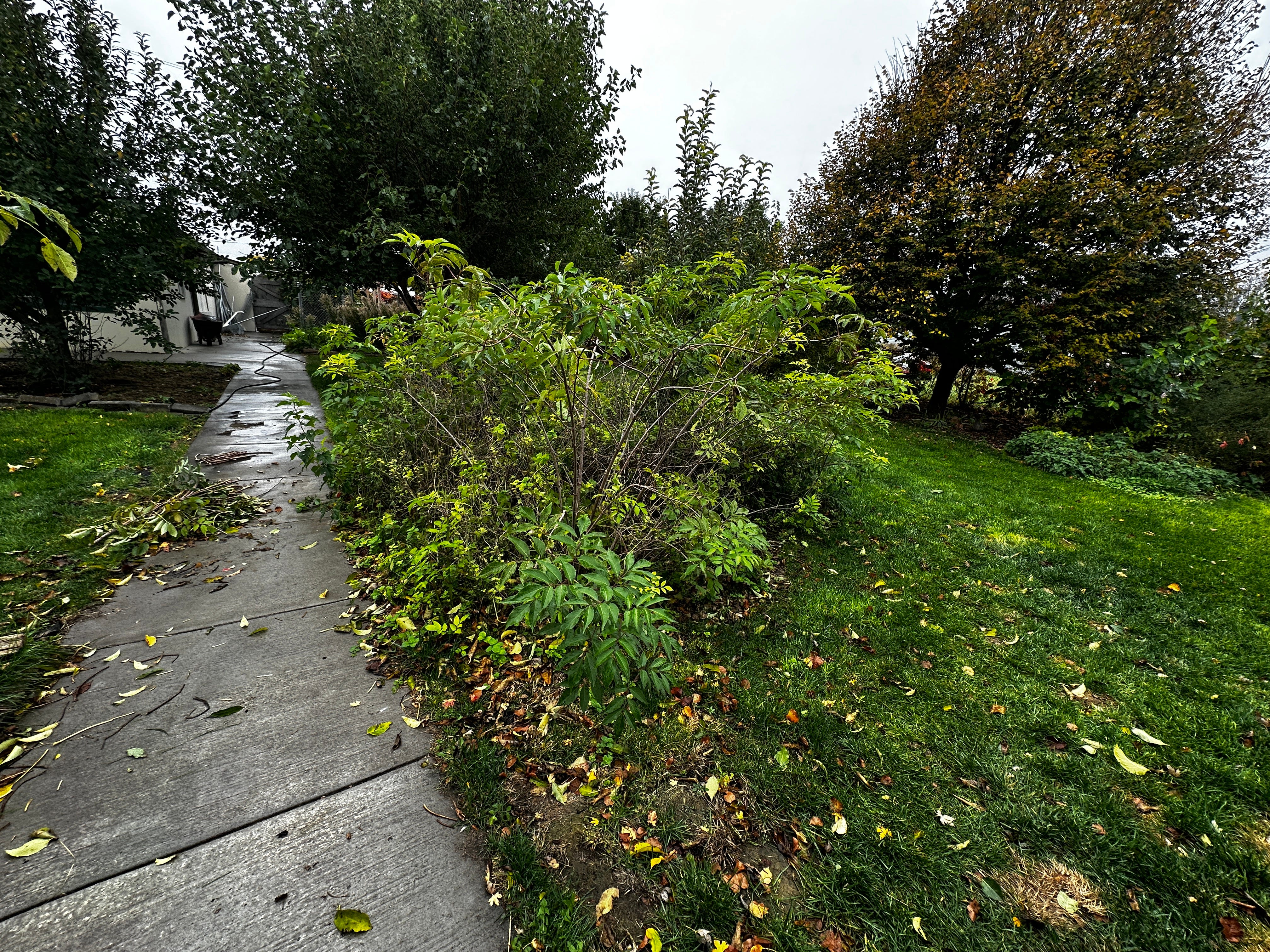
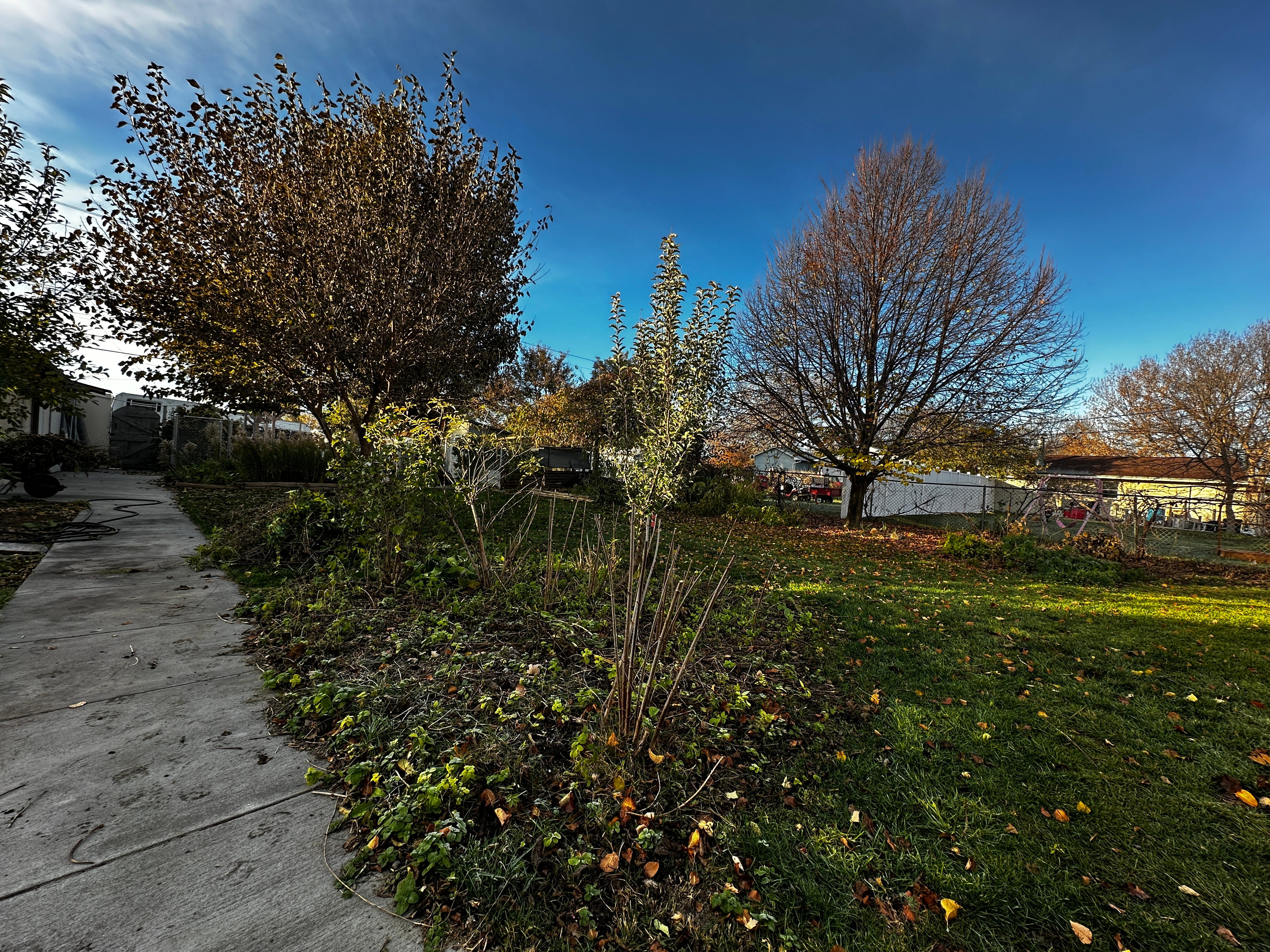
I was down there with a spade and a pair of loppers because I had lost that apple tree. I knew it was there the way you know there is a spare key in the kitchen drawer, without having laid eyes on it in a long while. All I could see was the spindly top. It isn’t even the original tree. When the old apple tree got diseased and had to come down, I left one sucker growing from its roots, and this is that sucker grown up, a second chance I had managed to bury. The joke was that I had wanted every plant that buried it. Way back when I planted the bed, I built it as a guild the way permaculture folks like to, with yarrow, daffodils, chives, white clover, alyssum and comfrey all working for the good of the apple. Then I kept going. A little horseradish, a white currant, three kinds of mint including a chocolate mint that smells like dessert when you brush past it, and elderberry and goji, which I mix with ginger to give homemade kombucha some real horsepower and which go into my gummies, my tisanes and my dye pot. Every plant was there to earn its keep three or four ways. None of them were weeds. They were good plants doing what good plants do when nobody tells them no, and the tree they were all supposed to serve could barely get its head into the sun.
Under the Surface
A few years ago a team at the University of Virginia, including the engineer Leidy Klotz, ran a set of experiments that made the cover of Nature. They asked people to improve things, a Lego structure, an essay, a recipe, a miniature golf hole, and watched what they reached for. Almost every time, people added. In one test the best fix for a wobbly little Lego platform was to take away a single brick, and about six in ten people never found it. The part that caught me was what happened when people had more on their minds. Give them something extra to keep track of while they work, and they get even worse at seeing what could come out.
I pulled mint for most of an afternoon thinking about that. Let mint go long enough and it comes out in long white ropes if you pull slow and steady, and by the end there was a pile beside me almost taller than the apple tree and my hands were green to the wrist. Adding feels like progress. Taking away feels like loss, even when what you are taking is choking the thing you love. Klotz is careful to say subtraction is not better than addition, only that we forget it is on the menu, and that we forget more the fuller our days get. Of course, every subtraction is a loss to somebody. Skippy, I am fairly sure, has been living in the attic of my woodshop through a loose piece of soffit. That hole is about to be patched.
Studio Notes
The goji and gooseberry are next, somewhere between ten and twenty of each, and the plan is to keep two healthy plants of each and let them start over with room around them. I stood in the back garden with a goji start in one hand, roots still wet, and had the same argument I have been having in the studio all week. This one is perfectly good. Somebody could use this one. It seems a shame.
The studio is the same bed with a roof on it. I spent a day moving bins between shelves and opening boxes I packed years ago, and there is far more in there than one artist will ever use. A lot of it cost real money, and a lot of it is exactly what a residency artist might need someday, so I pick something up, decide it should go, picture the artist who might want it, and put it back on the shelf. That is how a bed fills up with mint. The question is not whether a thing is good. It is whether it is crowding the apple tree, and in my studio the apple trees are the open tables where new work gets made.
On the Table
Here is the funny part. The same week I spent on my knees learning to take things away, next year’s calendar went the other direction. A solo show at the Petrified Wood Gallery next August is settled. An eco dyeing workshop here at the studio is set for June, a March workshop in Beatrice has a verbal yes, and a trip to Lima and a two-month residency in Seward are on the books, with Alaska still a maybe. I don’t think those are mint. They are the apple trees, the things the beds were cleared for in the first place.
The one real subtraction of the week happened on paper. I had been planning to spray foam the woodshop, and somewhere in the planning I let it go and switched to blown-in cellulose, which should work better for about a third of the cost. Seven more inches of it are going up there, and the soffit gets patched first, so Skippy may want to start looking at listings. With room on the table, I want to hang a new door on the garage this week, mount some silk to use as backgrounds, get a few paintings going, and get back to real silk painting, which I have missed more than I like to admit.
In Good Company
Watch: Backyard Squirrel Maze 1.0, Ninja Warrior Course by Mark Rober. Rober, a former NASA engineer, got tired of squirrels raiding his bird feeder and built them an eight-part obstacle course instead, then filmed them beating it. Free on YouTube. If Skippy ever gets a feeder, this is the standard it will be held to. If you have not yet been introduced to Mark Rober this is a must see.
Read: Subtract: The Untapped Science of Less by Leidy Klotz (Flatiron Books, 2021). The book takes the Nature findings out of the lab and into buildings, cities, schedules and the stuff in our closets. It is gentle and curious, more invitation than lecture.
Listen: Do Less, Hidden Brain with Shankar Vedantam. Klotz tells the story of the Strider bike, the pedal-less bicycle that teaches kids to balance by leaving the hardest part out. Good company for a morning in the garden.
A Quiet Note
The next Unhurried Letter is nearly ready, and I am excited about this one. It is the slow version of what you read here, real paper in a real mailbox, something to keep on the counter for a while before it goes in a drawer. If that pace sounds good to you, you can find it at unhurriedletters.com.
Leave the Light On
Near dark I walked back out with a cup of tea and stood next to the apple tree. It looked a little startled, the way a dog looks after a haircut, all knees and elbows and suddenly visible, and a few small mint plants were still craning toward the last of the November sun. There is a ton left to do in the yard and garden. The blackberries need another pass, the grapes are barely started, and past all of it runs a hundred feet and more of fence line, with a fence coming someday between me and a junk pile that belongs to some of the nicest neighbors a person could ask for.
Skippy had gone quiet by then, back to the elm or into my attic, wherever a squirrel goes to work on his second draft. If I ever do put up a feeder for him, it will come with a Mark Rober obstacle course, so at least I get some entertainment and good photos out of the deal. For now I can see the whole trunk of the tree for the first time in a couple of years, and the fence line beyond it, and that is most of what taking things away gives you. Not less, exactly. A view, and an apple tree with room around it.
Keep making, keep growing, be you.
Tio
(Below is the song, “Skippy Has Notes”. This was a blast to write and it reminds me of the folk and country songs we sang with my mom and grandparents when I was a young kid. I wrote the lyrics, Suno produced the song. Real music? Maybe not but still fun to put my poems to music.)
“They were good plants doing what good plants do when nobody tells them no.”
References
Adams, G. S., Converse, B. A., Hales, A. H., and Klotz, L. E. (2021). People systematically overlook subtractive changes. Nature, 592, 258-261: https://www.nature.com/articles/s41586-021-03380-y
UVA Today interview with Adams, Converse and Klotz: https://news.virginia.edu/node/314276
Subtract: The Untapped Science of Less by Leidy Klotz: https://www.leidyklotz.com/
Hidden Brain, “Do Less”: https://hiddenbrain.org/podcast/do-less/
Mark Rober, Backyard Squirrel Maze 1.0, Ninja Warrior Course:
Unhurried Letters: https://unhurriedletters.com
One-Click Check-In
If you want to read this later or find other issues, you can find them here or hit subscribe.