
Living by Making | Issue 30
I didnt publish last week. The guilt has mostly evaporated. And I’m reminding myself, again, that I don’t owe myself any specific posting. Normally I post on Thursday, I decided to post today, Friday, instead. Just to be contrary. Childish perhaps? The mental games I play with myself are humorous.
At the Workbench
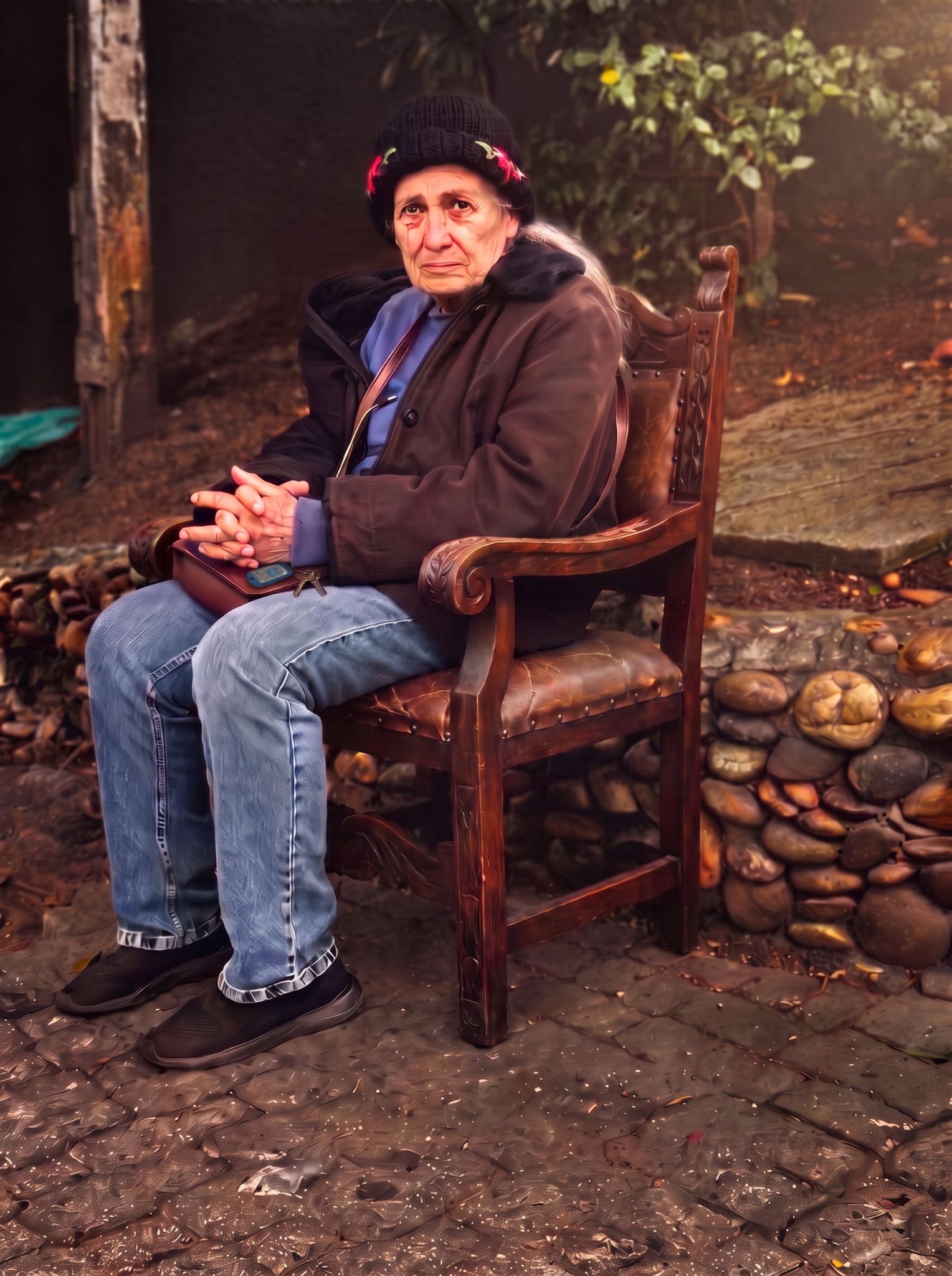
I saw her first on the walk from the Pousada du Valle into the center of Embu das Artes, sitting outside one of the shops in an old wooden chair, bundled against the cool Brazilian morning in a dark coat and knitted cap. I noticed her because she was looking directly at me, not staring exactly, nothing confrontational in it, the kind of eye contact that happens between strangers when neither one immediately looks away. I kept walking.
Embu was full of people to look at and things to photograph, and after several days in São Paulo surrounded by the World Wheelchair Rugby Championships, crowds, noise, concrete, and traffic, I had come there to spend some time among artists. There were galleries and stalls, paintings and carvings, jewelry and handmade objects, musicians and tourists, enough visual clutter to keep a person with a camera busy for days. I didn’t have a real camera though, no professional body hanging from my shoulder, just a phone in my pocket, which these days is generally enough. I have always preferred photographing people and texture over things arranged for me to see, and somewhere along the way I started doing that more slowly, more deliberately, happiest when I could wander without much of a plan and pay attention to whatever appeared in front of me. Given the choice between the middle of a crowd and its edges, I have almost always chosen the edge.
I walked through Embu that way for most of the afternoon. On my way back toward the hotel I passed the woman again, still sitting there, and we made eye contact a second time, neither of us saying anything. By the third pass, I had begun wondering whether she’d been there all day. Probably not. More likely I had simply started building a story around her because I had taken her photograph in my mind several times without actually taking it. I walked another block, stopped, and turned around.
When I came back, I asked whether she would mind if I took her picture. She smiled and said something I didn’t understand, then repeated it in English once she saw my face. “Of course.” Her English was good, better than good, almost no accent I could place, though by then I understood how little I knew about identifying accents in Brazil. I took the photograph and sat down on the concrete in front of her, and within a few minutes the woman I had photographed and the woman sitting in front of me seemed like two different people. The photograph had caught her in repose, serious, lined by age. But when she smiled something opened, a warmth that’s hard to explain without making it sound sentimental. She had the kind of face that became more beautiful when she talked.
We spoke for twenty minutes, maybe thirty. A person who wanders without a schedule isn’t always a good judge of time. At some point she asked what I was doing in Brazil, and I told her about the championships and the art that had pulled me toward Embu, and that I was traveling alone. “Alone by choice?” she asked. “Mostly.” “Good,” she said, and when I asked why, she shrugged. “People are afraid of being alone. I think they miss a great deal that way.”
I liked her immediately, and told her I’d always been that way myself, though the older I get the more I seem to value solitude, that I like people and conversation and had spent much of my life surrounded by students, athletes, artists, and friends, but that I also like walking alone, looking, writing, taking photographs, sitting in unfamiliar places without explaining myself to anyone. She nodded like this made perfect sense. “That is different,” she said. “You are not alone. You are paying attention.” That distinction stayed with me long after we’d said goodbye.
Eventually she asked whether I had always been an artist. Mostly, I told her, but not exactly, I’d been interested in photography when I was young and had spent time in Italy in the early eighties. “Sicily,” I said. “Ah,” she said, “Sicily,” and there was nothing remarkable about the way she said it, just the word itself, but something in her voice carried me backward.
Under the Surface
I was twenty-two when I arrived in Sicily, attached to Sigonella Naval Air Station outside Catania, working in photography, processing film from American aircraft that had been out photographing other things. It was another world then, before satellites and digital imagery made the view from above feel ordinary, and somewhere on those strips of acetate were pieces of a world most of us would never otherwise see. I told her about the old Fiat that moved from group to group around the base, passed around for a small fee whenever somebody needed transportation, a battered four-door that survived, I told her, because nobody had informed it that it was supposed to be dead. She laughed, a good laugh, and I told her about the chicken place outside the base, roasted chicken and potatoes and vegetables cheap enough that we went often, and about the swimming hole nearby, an underwater passage you could swim through and come up inside an enclosed space surrounded by rock. I loved it there.
Once I got too close to the edge and something scraped my hip. “Coral,” I said. “I had no idea coral could cut you like that.” She asked if it was sharp, if it was deep, and I told her deep enough, and touched the outside of my hip without thinking. The scar is still there, small now. There had been a function that night, and the cut was sore enough that I spent most of the evening trying not to brush against anything. “You were young,” she said. “Young men are always surprised when the world turns out to have sharp edges.” That was when I thought of Max, someone I hadn’t thought about in years.
There are people who appear in the stories we tell about our lives because we remember them vividly, and then there are people who were simply around so often that, after enough years, you can’t separate them from the background. Max was like that, somewhere between ten and fifteen years older than I was then, though at twenty-two anyone over thirty belonged to another generation. I liked her. I was engaged at the time and had every intention of staying loyal, but I liked her enough that under different circumstances I’d probably have found reasons to spend more time with her. She turned up at the lab occasionally, at parties, sometimes at the chicken place. What I never remembered was what she actually did.
“She was always around,” I told the woman in Embu, “but I never knew why.” “Perhaps you did,” she said. “You knew her name.” “Maybe.” “Sometimes that is more than people know.” I laughed and said Max was one of those people you assume must belong somewhere, too comfortable moving through different groups not to. At twenty-two you don’t stop to ask those questions. The woman in Embu looked toward the street for a moment. “Did she swim?” I didn’t know. I tried to picture the people who usually came with us to that swimming place, but the years had compressed them into a handful of faces, some names remaining, others gone. “Maybe,” I said. “Why?” She looked back at me. “She may have been there when you cut yourself.”
It was such an ordinary observation that I nearly missed it. Then I stopped. “At the swimming place?” “Yes.” “I don’t remember.” She nodded, and I tried to picture that evening again, the swim, the cut, cleaning it up, getting dressed for the function, and then, suddenly, Max standing somewhere to my left while I leaned against something trying to keep my hip from rubbing against a table. Not a complete memory. More like a photograph exposed but never properly developed.
The woman in Embu had already moved on, asking about the Fiat again, how many people drove it, what happened when it broke down. I told her I couldn’t remember. “You remember a wound from forty-four years ago,” she said, “but not the name of the restaurant?” “The wound was on me.” She smiled. “Exactly.” There was no mystery in any of it, I told myself later. An intelligent woman had asked me questions, and I had been traveling more than a week, sleeping in unfamiliar beds, meeting artists and attending championship games, and found myself in a small Brazilian town talking with a stranger whose smile reminded me of someone I’d known when I was young. The human mind is a machine built to connect things.
Eventually I stood to leave, thanked her for the photograph, and asked her name. She looked surprised, as if neither of us had noticed I’d never asked. “Marina,” she said. I repeated it. She nodded, then looked at my phone. “Do you still have the photograph?” I showed her. She studied it for several seconds. “Not bad,” she said. Then she smiled. “You always did prefer people.” I laughed. “What?” “I said you prefer people.” “I thought you said something else.” “Perhaps I did,” she said, and that was the last thing she told me.
Studio Notes
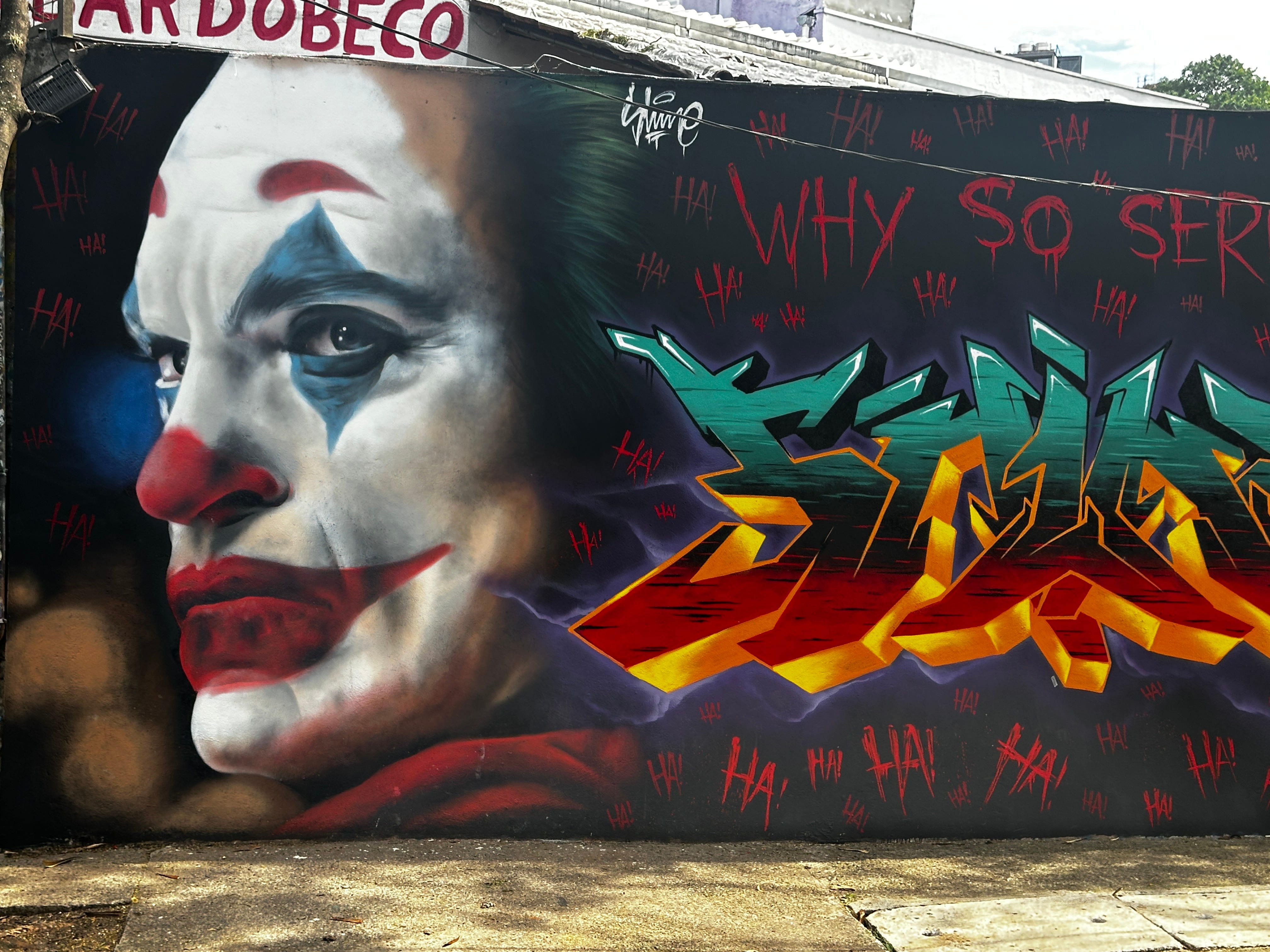
I do this in the studio more than I like to admit, take a photograph or lay down a first pass of paint and only notice what’s actually in it later, once I’ve stepped back or opened the file days after the fact. Something in the corner of a frame I swore I’d composed on purpose. A shape in the cold wax that wasn’t there in my head when I scraped it on, only visible once the layer had cured and caught the light differently than I expected. I’ve learned to trust that second look almost as much as the first decision, because the eye still deciding what to make of a scene isn’t always the eye that later gets to study it.
That night in my hotel room I opened the photograph of the woman I’d taken that afternoon and enlarged it, the way I do with most of what I shoot when I want to see if there’s a second photograph hiding inside the first. There she was, dark coat, knitted cap, her face caught in the same serious repose I remembered from before she smiled, something already at the corners of her mouth that might have been the smile arriving a half second too late for the shutter. I had been concentrating on framing her face and hadn’t noticed the small object on her purse, barely visible just under her hand until I enlarged the image again. A key ring, old fashioned, metal, several keys, one hanging from a faded plastic fob.
I couldn’t place it at first. Then I did. Not the exact fob, it couldn’t have been, forty-four years had passed, but the shape was familiar, the colors, the cheap rectangular plastic with something written across it that I zoomed in on until the image broke apart into pixels I still couldn’t read. I knew what it reminded me of anyway. The Fiat. The car we passed from detachment to detachment outside Sigonella, the car with the nickname I could no longer remember.
There were explanations, of course. She was old enough to have lived in Italy. Millions of people owned Fiats. A plastic key fob means nothing on its own, and the resemblance could have been entirely in my head. That’s probably all of it, I told myself, setting the phone down. Then I picked it up again, and for the first time noticed something I should have caught the moment she told me her name. She had said Marina. But when I repeated it, she hadn’t said yes, that is my name. She had simply nodded, and smiled.
On the Table
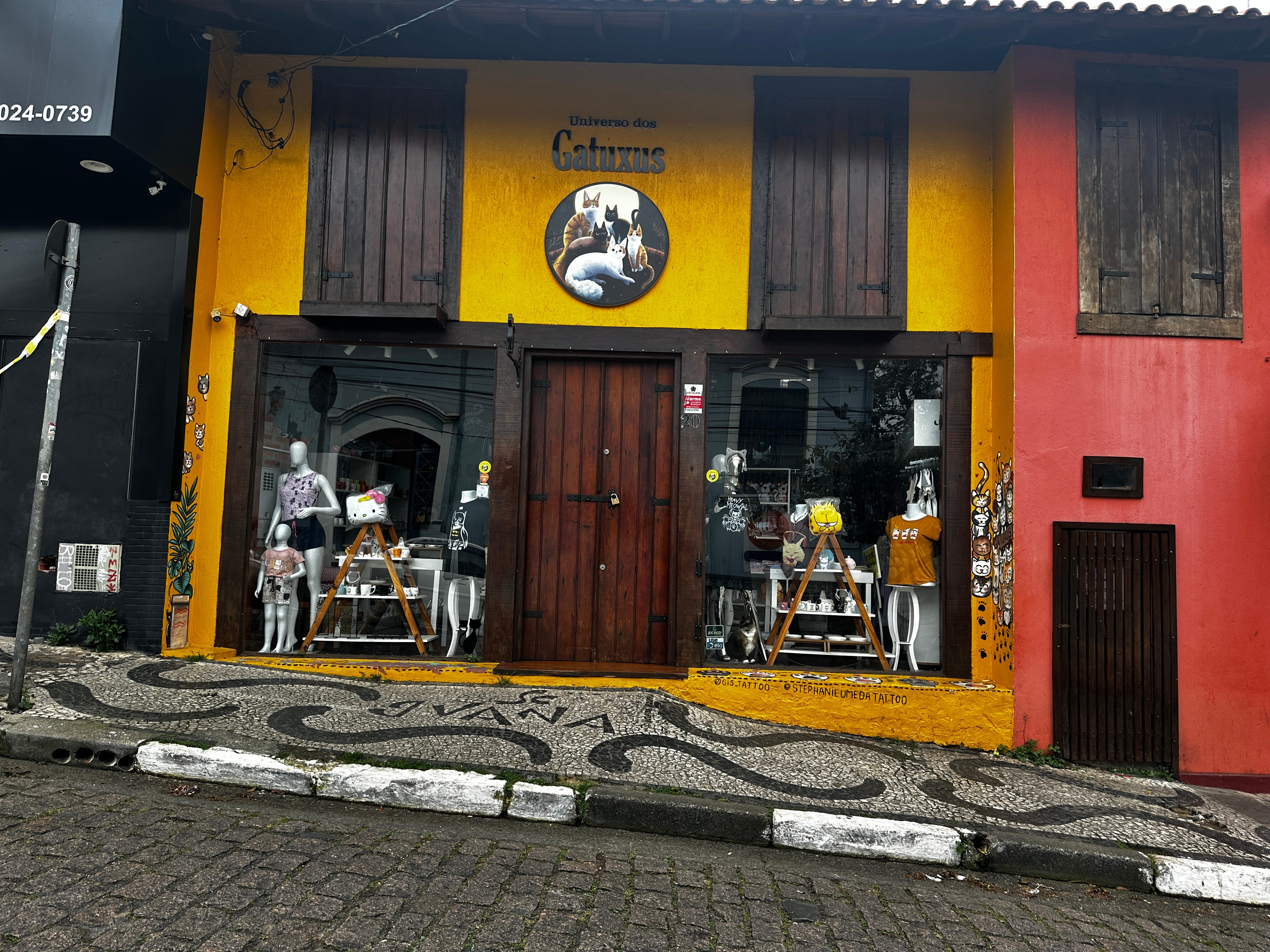
I keep thinking about that key ring on “Marina’s” purse in Embu and it somehow brought up an odd comparison and connection to the table I built for Elise, some of its materials from 1950’s bleacher wood from her school. An old object, traveled a long way, meaning something to somebody I’ll probably never fully understand, showing up decades later in a place it had no obvious business being. I don’t know if the woman in Embu was who I halfway wondered she might be. I know the wood on that table used to be a bleacher seat and now holds a wedding gift. Some objects mean more than we realize while we’re still looking at them for the first time.
You probably have one of your own, something worn smooth by hands other than yours, sitting in a drawer or a shop or a room you walk through every day without stopping. It might be worth picking it up this week, just to wonder what it already knows.
In Good Company
Watch: The Double Life of Véronique, Krzysztof Kieślowski’s 1991 film about two women, born the same year in different countries, identical, unrelated, and never once aware of each other, who nonetheless seem to feel each other’s presence across the distance between them. Streaming on the Criterion Channel. Nothing romantic in the bond at the center of it, only the possibility that a connection can exist and mean something without ever being explained.
Read: The Art of Noticing by Rob Walker. A hundred and thirty-one small exercises built around a single claim that keeps proving itself true, that attention is a skill like any other, and most of what we call missing something is really just not having looked closely enough the first time.
Listen: Memory and Forgetting, a Radiolab episode on how unreliable the act of remembering actually is, how easily a true memory gets edited and a false one gets added without our noticing either happened. Featuring Oliver Sacks. I thought about this episode more than once writing tonight’s issue.
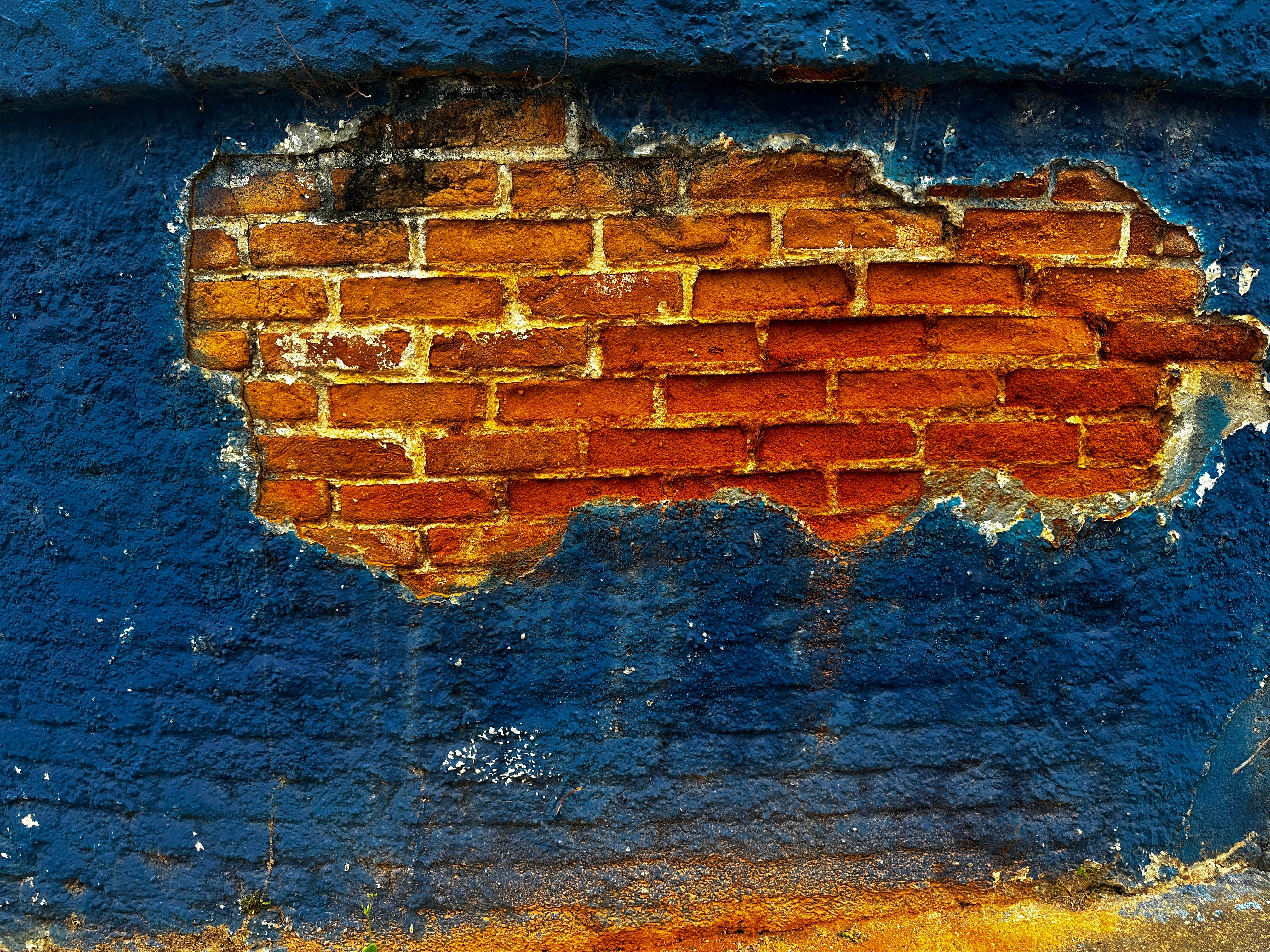
“She Was Already There” I wrote the lyrics from my journal notes and substack story. Suno produced the song.
A Quiet Note
Letters like this one, but slower, arrive by mail instead of inbox. A travel story, a fine art print, a recipe card, a postcard, the kind of thing meant to sit on a counter for a while before it gets put away. If that pace sounds like something you want more of, you can find it at unhurriedletters.com.
Leave the Light On
I never found her again. The next morning I walked back through Embu and the wooden chair was gone, the way stalls open and close and things get moved and people come and go in any market anywhere. I stopped at a small shop nearby where I’d bought a bottle of water the day before, and the same woman was behind the counter. I asked if she knew the woman who’d been sitting down the street, pointing back toward the spot where I’d taken the photograph. “The woman in the chair?” she asked. Yes, I told her. She nodded. “She was waiting.” For someone? I asked. “I suppose.” For me, maybe, I said, half joking, and she gave me the kind of polite smile people give travelers who are building something larger out of something that’s probably simple. “Maybe.”
I asked if she’d caught the woman’s name. She thought about it. “Marina, I believe.” Then, before I could say anything else, “Or Max.” I asked what she meant, and she said the woman had spoken to someone on the phone before I’d come by, and that was the only name she’d heard. “Her name was Marina,” I told her. The woman only smiled again. “Then perhaps she was speaking to Max.”
That was reasonable. Entirely reasonable, the kind of small mix-up two names can produce in a language that isn’t your own. But I made it nearly halfway back to the Pousada before I understood why it bothered me anyway. Marina had never actually said she was waiting for me, not in anything she’d told me directly. I had passed her three times before I turned around, and she hadn’t waved, hadn’t spoken, hadn’t done anything to stop me walking on. If I’d kept going, there was no reason to think we’d ever have met at all, unless she had simply been waiting to see whether I would turn around.
I’ve spent much of my life believing I was moving unnoticed through the world, and I preferred it that way, always the one at the edge, watching, photographing, paying attention. I’m not sure that was ever entirely true. Somewhere back in Nebraska forty-four years ago, or somewhere in Sicily, or somewhere in a wooden chair on a street in Embu das Artes, somebody may have been paying attention right back. I still don’t know what to do with that, other than keep noticing what’s actually in front of me, and trust that the meaning of some of it won’t arrive until much later, if it arrives at all.
You might have a version of this too. Someone who was watching longer than you knew, who said less than they meant, who was waiting to see if you’d turn around. If a name just came to mind, that’s probably not nothing.
Keep making, keep growing, be you.
Tio
“It felt like someone opening a door in a room that had gone dark.” -Tim ONeill
References
References
The Double Life of Véronique (1991), dir. Krzysztof Kieślowski, streaming on the Criterion Channel: https://www.criterionchannel.com/the-double-life-of-veronique
The Art of Noticing by Rob Walker: https://www.penguinrandomhouse.com/books/570033/the-art-of-noticing-by-rob-walker/
Memory and Forgetting, Radiolab: https://radiolab.org/podcast/91569-memory-and-forgetting
Unhurried Letters: https://unhurriedletters.com
One-Click Check-In
If you want to read this later or find other issues, you can find them here or hit subscribe.